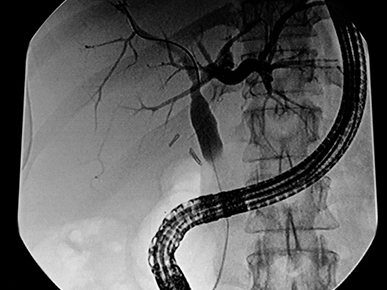
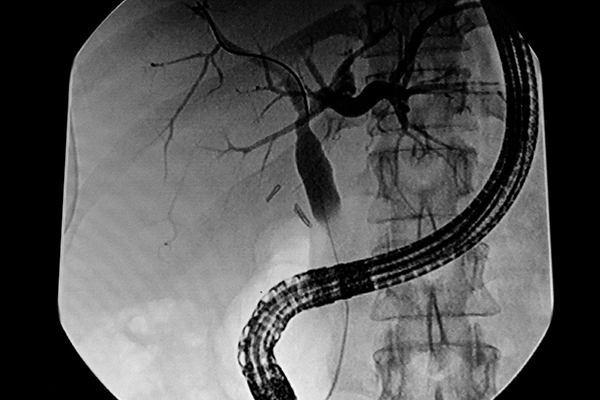
Endoscopic retrograde cholangiopancreatography (ERCP) plays a critical role in diagnosing and treating disorders of the biliary and pancreatic systems. While many patients present with straightforward indications, complex ERCP cases often require advanced endoscopic expertise, multidisciplinary coordination, and timely referral to reduce complications and improve outcomes.
For referring physicians, understanding which patients may benefit from specialist evaluation and what to expect during the referral process can help streamline care and support better patient experiences.
When to Refer Complex ERCP Cases to a GI Specialist
ERCP is most often used therapeutically rather than diagnostically and is commonly indicated for biliary obstruction, pancreatic disorders, and ductal abnormalities.
Referral to an advanced GI specialist should be considered for patients with:
- Difficult or recurrent bile duct stones
- Complex biliary strictures
- Suspected pancreaticobiliary malignancy
- Post-surgical anatomy complicating access
- Recurrent pancreatitis
- Biliary leaks or injuries
- Failed prior ERCP attempts
- Cholangitis requiring urgent intervention
Early referral may help avoid delays in treatment and reduce the risk of progressive biliary obstruction or recurrent symptoms.
Common Conditions Requiring Advanced ERCP Procedures
Complex ERCP cases often involve more than routine stone extraction or stent placement.
Examples include:
Difficult Choledocholithiasis
Large, impacted, or multiple bile duct stones may require advanced extraction techniques, lithotripsy, or staged procedures.
Benign and Malignant Biliary Strictures
Patients with strictures from chronic pancreatitis, surgical complications, or suspected malignancy may need tissue sampling, dilation, and stent management.
Recurrent Pancreatitis Evaluation
Patients with unexplained or recurrent pancreatitis may require ERCP assessment for pancreatic duct abnormalities, strictures, pancreas divisum, or obstructive pathology.
Postoperative Biliary Complications
Bile leaks and strictures following cholecystectomy or hepatobiliary surgery often benefit from endoscopic intervention.
What Referring Providers Should Include in the ERCP Referral
Providing a detailed referral packet helps expedite evaluation and procedural planning.
Recommended information includes:
- Prior imaging reports (CT, MRI, MRCP, ultrasound)
- Laboratory results including liver function tests
- Previous endoscopy or ERCP records
- Surgical history
- Current medications and anticoagulation status
- History of pancreatitis, cholangitis, or prior interventions
Imaging review is especially important in patients with altered anatomy or suspected malignancy.
What Patients Can Expect During ERCP Evaluation
Following referral, patients typically undergo consultation and review of prior studies to determine procedural strategy.
Evaluation may include:
- Imaging review
- Additional laboratory testing
- Assessment of procedural risks
- Sedation planning
- Discussion of alternative approaches if necessary
Depending on complexity, some patients may require staged procedures or coordination with surgery, oncology, or interventional radiology.
Understanding Risks and Complications in Complex ERCP Cases
Although ERCP is highly effective, advanced procedures carry procedural risks that should be discussed with patients.
Potential complications include:
- Post-ERCP pancreatitis
- Bleeding
- Infection or cholangitis
- Perforation
- Stent migration
- Need for repeat procedures
Careful patient selection and referral to experienced GI specialists can help optimize outcomes.
Why Early Referral Matters in Advanced Pancreaticobiliary Disease
Delays in referral may increase the risk of recurrent infections, worsening obstruction, progressive liver dysfunction, and repeated hospitalizations.
Timely GI involvement may provide:
- Earlier intervention
- Faster symptom relief
- Reduced complications
- Access to advanced endoscopic therapies
- Coordinated multidisciplinary care
This is especially important in patients with suspected malignancy or recurrent biliary obstruction.
Frequently Asked Questions About ERCP Referrals
What conditions commonly require ERCP referral?
Complex bile duct stones, biliary strictures, recurrent pancreatitis, bile leaks, cholangitis, and pancreaticobiliary abnormalities commonly require evaluation.
When should a failed ERCP be referred?
Patients with unsuccessful prior ERCP attempts, altered anatomy, or persistent obstruction often benefit from referral to an advanced endoscopy specialist.
Is ERCP used for diagnosis or treatment?
ERCP is primarily a therapeutic procedure used to treat biliary and pancreatic conditions, although diagnostic sampling may also be performed.
Strong communication between referring physicians and gastroenterology specialists helps ensure efficient management and better outcomes for patients requiring advanced pancreaticobiliary care.
Arthi Sanjeevi, MD provides comprehensive gastrointestinal care with expertise in digestive disorders, advanced endoscopic evaluation, and collaborative management with referring physicians. Through Tampa Gut MD, Dr. Sanjeevi works closely with primary care providers and specialists to facilitate timely GI evaluation and coordinated care for complex gastrointestinal conditions.